Dashi-Kombu
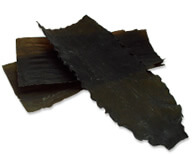
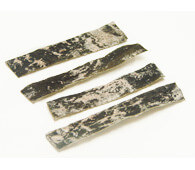
Dashi-kombu is sun-dried and cut into sizes suited for making broth. You can easily make natural, tasty broth just by setting it in cold or hot water for a while before removing.
Tsukudani-Kombu
Tsukudani-Kombu involves cutting kombu kelp into thin strips or squares, then boiling them salty-sweet in soy sauce and sugar. They taste even better with shiitake mushrooms, sesame seeds, Japanese peppers, or Japanese basil. Tsukudani-Kombu is eaten with rice or wrapped in onigiri.
Kombu-Maki
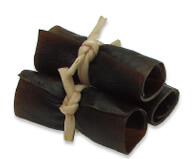
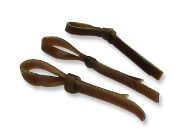
Kombu-maki is made by rolling up cut kombu kelp and tying them with gourd. It is one of the most popular ways to prepare kombu kelp.
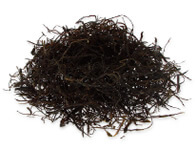
Shio-Kombu
Shio-kombu is made by cutting kombu kelp into squares or thin strips lengthwise before boiling in water, soy sauce, mirin, and sugar, and finally sprinkling seasoning such as salt. It is eaten on rice or used in ochazuke.
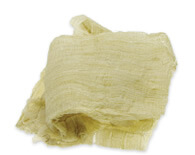
Tororo-Kombu
Tororo-Kombu is pickled, softened kombu kelp that is layered, pressed, and thinly shaved. It is used in soups such as miso soup, udon and soba, or eaten on rice or wrapped in onigiri.
Matsumae-zuke
Matsumae-zuke is kombu kelp and soft dried squid in a mixture of soy sauce, sake, sugar, and vinegar. The fiber in the kombu kelp gives it a slippery texture. Enjoy it with a cup of sake or on rice.
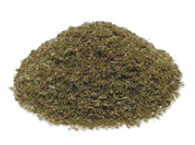
Furikake-Tororo
Furikake-tororo is thinly shaved tororo-kombu, dried and cut into small chips. It is sprinkled on rice, miso soup, tofu, or salad. It is more widely used than tororo- kombu.
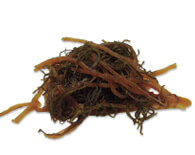
Kizami-Kombu
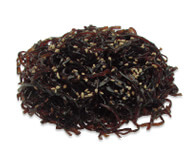
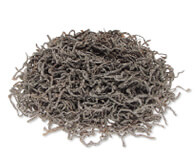
Kizami-kombu is kombu kelp cut into 1/25-1/5 in noodle shapes and dried. It can be stir-fried with meat and vegetables, or it can be used in nimono.
Musubi-Kombu
Musubi-Kombu is thinly cut kombu kelp that is tied and dried. It is used in various ways, such as in celebrations like weddings or New Year's, in nimono, or even as a snack.
Oshaburi-Kombu
Oshaburi-Kombu is cut into small pieces that can easily be eaten as finger food. It is a crunchy snack, rich with Umami flavor.